
Microbiologists from Buenos Aires, sampling the extremes to protect the fields
We are a small founding team combining field microbiology, soil ecology, and computational genomics. Our thesis: the harshest soils on earth grow the microbes most relevant to the agricultural challenges of a warmer, more saline world.
How Nunatak Biotech Started
The founding question was straightforward: if climate change is pushing farmland toward the conditions that define extreme environments, why look anywhere other than those extreme environments for the microbes that already thrive under those same pressures?
Julia and Pablo had spent years working in soil ecology and extremophile microbiology in Argentina. The connection between the adaptive biology of organisms in Patagonian salt flats and the osmotic stress now degrading irrigated farmland across major grain-producing regions was too direct to ignore. Valentina joined with a background in large-scale genomic sequence analysis, and the three co-founders shaped a workflow: collect from the right environments, screen the resulting genomes with AI, validate the shortlist with crops under controlled stress conditions.
Nunatak Biotech was incorporated in Buenos Aires in 2025. We are independently funded. Field collection and strain cataloging began that same year. The first greenhouse validation data on NB-001 followed in early 2026.
We are at an early but concrete stage: active candidates, real data, and an interest in growers and agricultural input companies who want to work on what comes next.
Three Co-Founders, Three Disciplines

Julia Mensa
CEO & Co-Founder
Julia leads operations and field strategy. Her background spans microbiology field research, environmental sample collection, and early-stage biotech operations. She coordinated the initial Patagonian sampling program and continues to lead field expedition planning alongside laboratory partnerships.
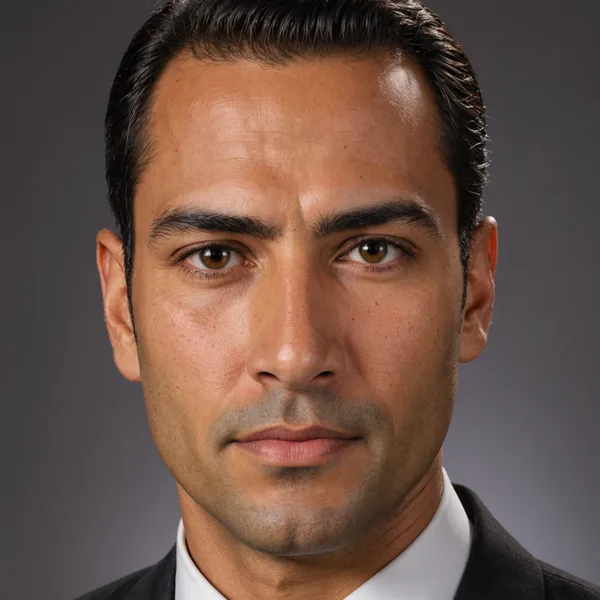
Pablo Ferreyra
CSO & Co-Founder
Pablo leads scientific direction. He spent his research career characterizing stress-tolerance pathways in extremophile microorganisms, with a particular focus on soil ecology in arid and saline environments. He designed the stress-chamber assay protocols and oversees candidate validation methodology.
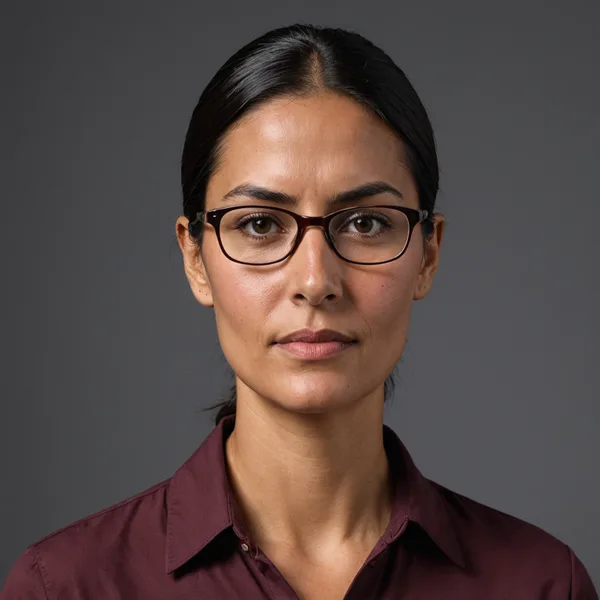
Valentina Rojas
Head of AI & Co-Founder
Valentina built the AI screening platform at the core of our discovery pipeline. Her background is in computational biology and large-scale genomic sequence analysis, including work building microbial diversity informatics pipelines in a research context. She designed and maintains the gene family query framework and scoring system.
Extreme environments are not a novelty: they are the library
The standard approach to microbial screening for agriculture draws on temperate soil surveys. Those surveys miss a large fraction of functional diversity: organisms adapted to conditions well outside the temperate range are rarely present in those samples, and the genes that matter most under salt and cold stress are correspondingly underrepresented.
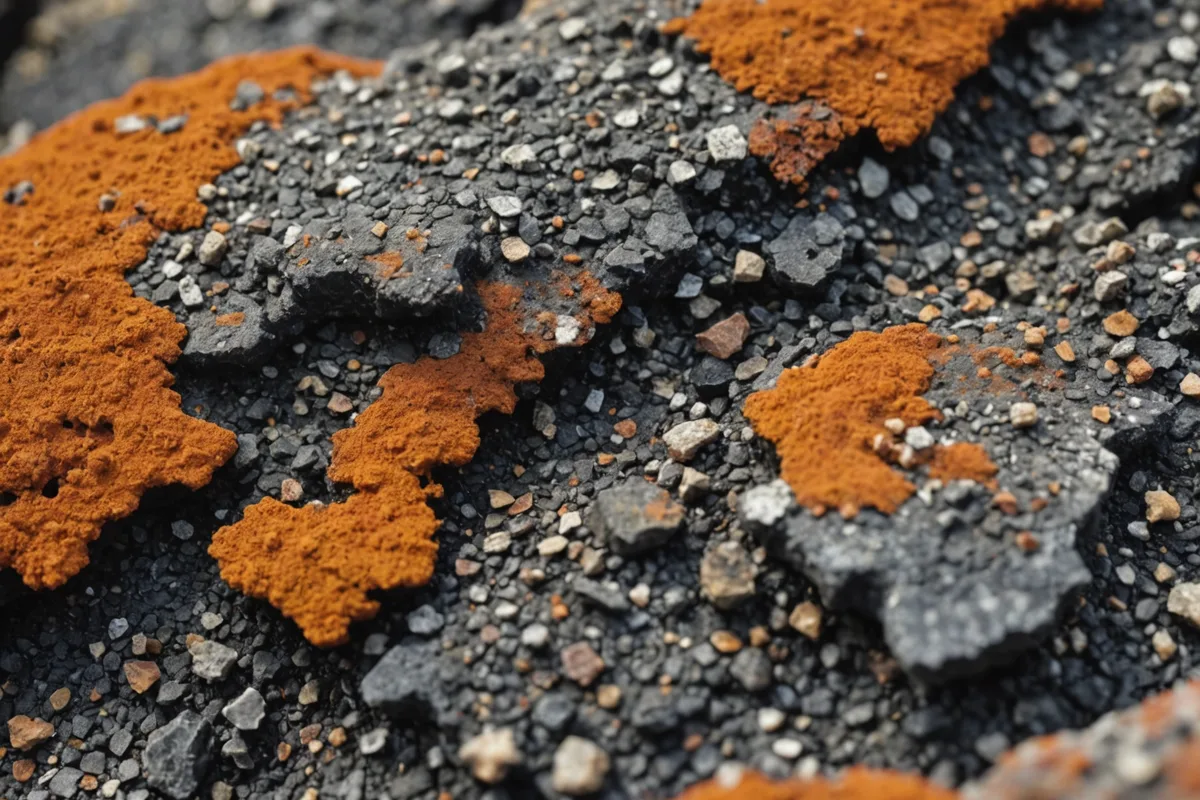
Patagonian salt flats, frost-prone volcanic steppe, and hypersaline lagunas impose exactly the osmotic and thermal pressures we are trying to address in agricultural settings. The organisms that thrive under those conditions have already done the adaptation work. Our collection strategy is built on that premise: go to the environment that already selects for what you need.
This is not the shortest path to a catalog entry. It is the path most likely to produce candidates with robust, well-characterized mechanisms rather than strains that test well in benign conditions and fail under real field pressure.
Interested in Extremophile Ecology or Agricultural Microbiology?
We welcome research collaborations with scientists working on microbial stress tolerance, rhizosphere ecology, or biostimulant validation. If our work overlaps with yours, reach out.
Get in Touch