
AI Screening
How AI Genomic Screening Surfaces Extremophile Diversity
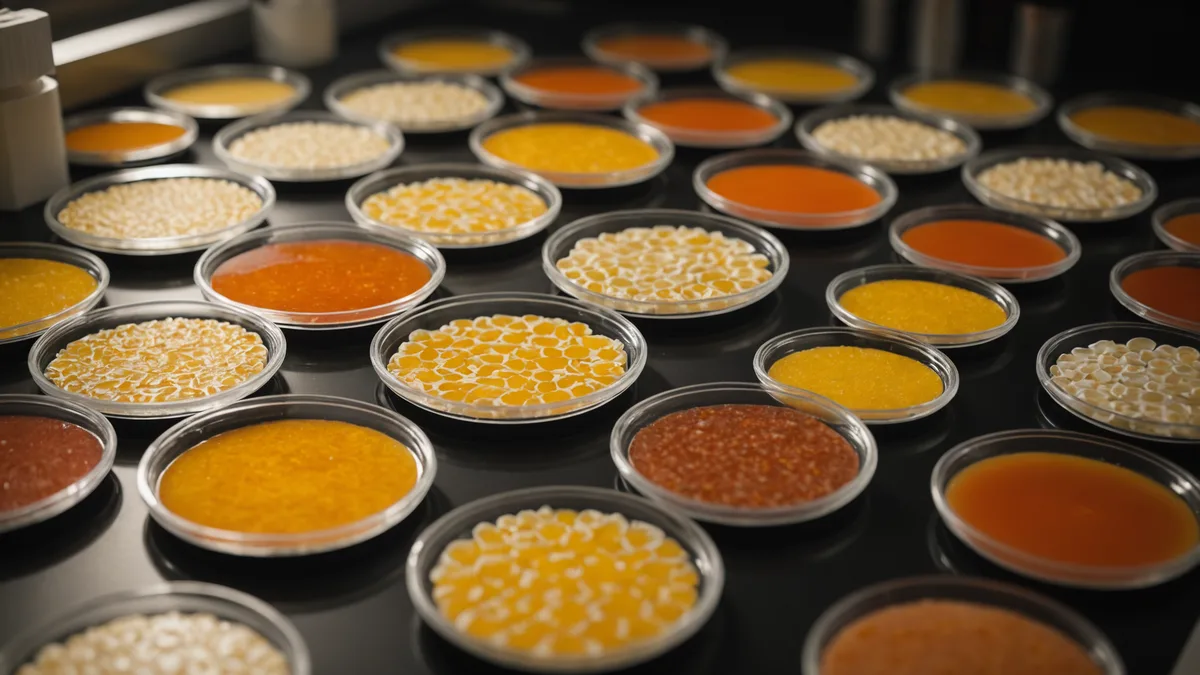
Running gene family queries across thousands of isolate genomes is now fast enough to change the economics of biostimulant discovery.

Writing from the Nunatak Biotech team on extremophile microbiology, AI screening methods, and what the evidence says about biostimulants in stressed agricultural systems.
What halotolerant rhizobacteria actually do at the root interface under osmotic stress, and why the mechanism matters more than the label.
Read ArticleRunning gene family queries across thousands of isolate genomes is now fast enough to change the economics of biostimulant discovery.
Comparing mode of action and agronomic outcome when soil is already pushing crop plants past their stress thresholds.
The frequency of late-frost events is rising in high-altitude growing regions. What that means for crops and for microbial candidates.
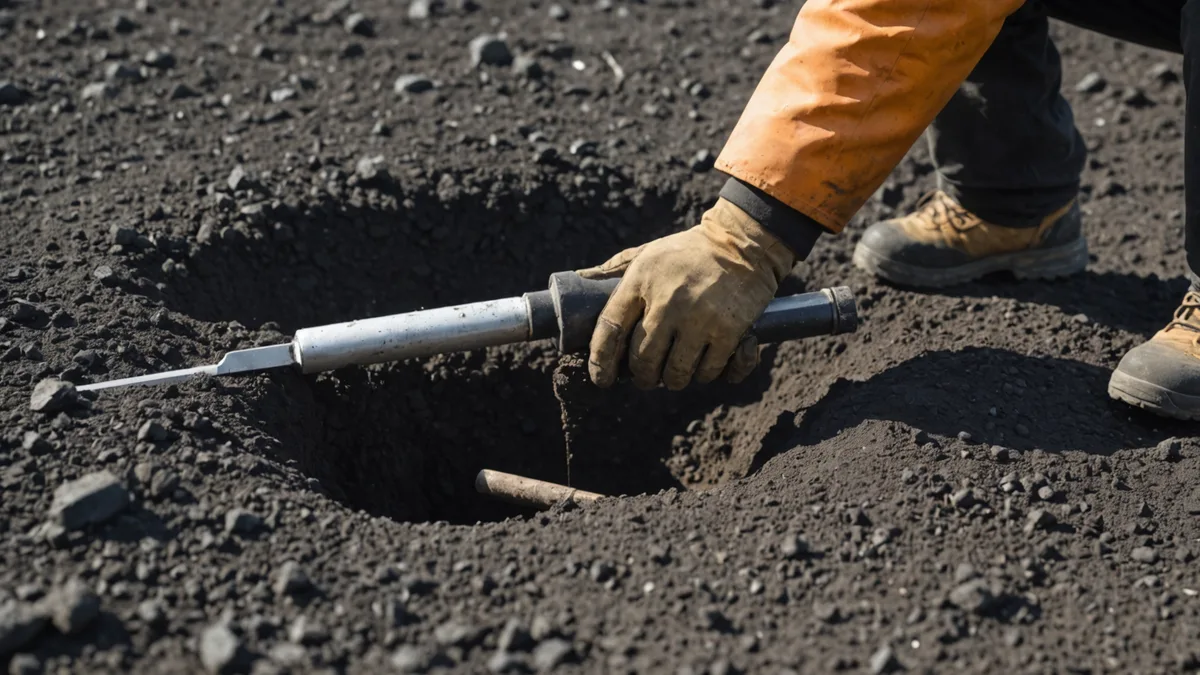
A walk through what actually happens between collecting a soil core in a hypersaline laguna and having a candidate worth assaying.
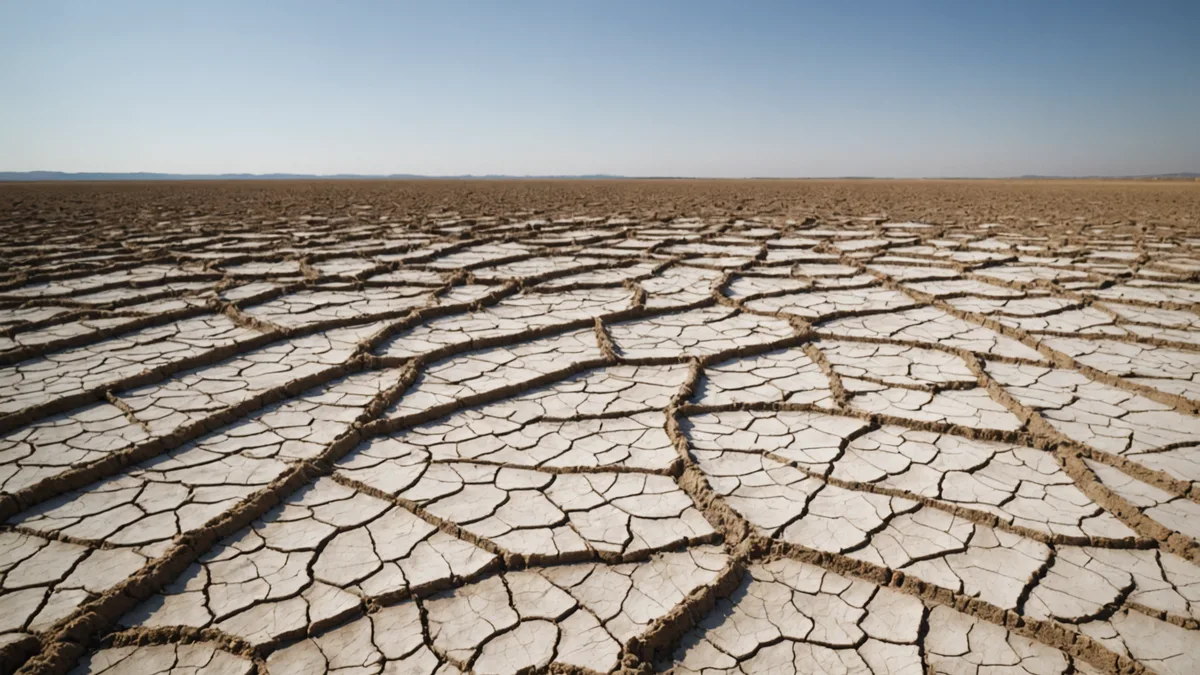
Salt accumulation in irrigated farmland is accelerating in several major grain-producing regions. What the drivers are and where it is heading.
Phosphate-solubilizing bacteria are one of the better-documented mechanisms for microbial crop benefit. What the evidence actually supports.
The steppe is not barren. Microbial communities in cold, low-nutrient, seasonally frozen soils carry adaptations directly relevant to agriculture.
Not every microbe that survives in a harsh environment is a useful agricultural candidate. The criteria we use to narrow the field.
Greenhouse data gives you a signal. Field data gives you a decision. How we structure trials to answer the questions that matter.
A survey of what the published record on microbial inoculants actually says, where the results are consistent, and where they are not.
The decision to base our initial field collection in Patagonia was deliberate. Context on the reasoning behind the choice.